Great Horror Scores!

title

Another day, another confusing article title. Hopefully no one misunderstood the heading to mean “my favorite pieces of horror swag that I have procured through various means”. No, friends, when I say score I’m talkin’ music, baby! Instrumentals and soundtracks.

Look: we all know John Carpenter and Goblin are the masters. They’re untouchable. Through the combination of their musical efforts, they’ve single-handedly (or ‘zit double-handedly?) changed the landscape of horror and exploitation scores: their long-lasting and far reaching influences can even be heard today in films like Drive, The Guest, and the Trent Reznor/Atticus Ross collaborations on The Social Network and Gone Girl. They’ve even influenced the new age of Bandcamp musicians such as Carpenter Brut and Umberto. In fact, I’d include The Social Network OST on this list if it were technically a horror movie because that score is so damn intense I find it almost nauseating (especially the opening track, good lord.)

The other two heavy hitters are, of course, Bernard Herrmann’s Psycho and John Williams’ Jaws. Both are perfect scores for perfect films — they’re spooky, eerie, tense, and unrelenting.

With that being said, here are a few of my personal favorites – ones that I think are actually really scary and that elevate the movies themselves from spooky to downright terrifying. Oh, and CLICK THE PIC to listen to a sample of the score!
pet
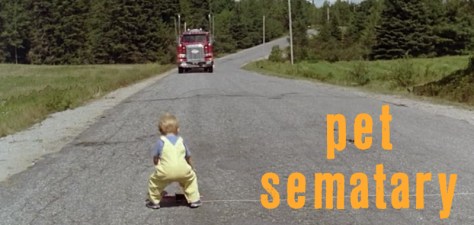
Who’d of thought a waltz could be scary? Somehow Elliot Goldenthal managed to pull it off: never has a 3/4 time signature stirred up such feelings of dread. Pet Sematary is a devastating movie about the loss of a child, not being able to cope, and the repercussions that go along with not being able to let go. So when interstitial pieces of a haunting and airy children’s choral fade in and remind you of the toddler’s death, you just wanna bury your head under a pillow. Combined with swelling strings and out-of-tune plinking piano, the score is all at once heart-wrenching and horrifying.

shining
The unsettling score from The Shining was made using a combination of four different composers. Wendy Carlos and Rachel Elkind composed the main score including the opening theme, which is freaky enough on its own. But when you toss in a few symphonic pieces by Béla Bartók and Krzysztof Penderecki, you no longer feel safe – it feels as though anything could happen. The Bartók pieces used in the film are lilting, wavering, string-driven pieces that often have a dream-like (or rather, nightmare-like) quality about them, bouncing between quiet thumping upright bass and huge, jarring strings that sound like a flurry of angered bees. In a way, they have almost a cartoonish feel to them, like they’re being conducted by Raymond Scott in Hell.

And the Penderecki pieces? Forget it. You will not hear more disturbing, bothersome pieces of music than those created by he. They’re chaotic, clanging, disjointed, screeching, claustrophobic, dizzying. You actually feel like you’re running from a madman when you’re listening to them. The influence of his unpredictable and unsettling style of music can be felt in many horror scores since – in fact, Harry Manfredini claims it was a Penderecki piece that inspired him to create the iconic “ki ki ki, ma ma ma” sound effect that has become synonymous with the Friday the 13th series. How about that?

tcm
Children’s toys, African instruments, pitchforks dragged across tables – all were used to create the rattling and unpleasant score, which was ‘composed’ by director Tobe Hooper and Wayne Bell. Hooper states in The Texas Chain Saw Massacre documentary The Shocking Truth that he was essentially misusing the instruments – forcing them to create sounds they weren’t originally intended for, and boy, he gets some freaky sounds to come out of those instruments. And using a farm implement to create sounds for the farm-set movie? Pretty meta stuff.

Much like the fate that befalls the group of youths – wherein they find themselves isolated and stranded on unfamiliar territory – we as the listener are affected in a similar fashion, with the score creating other-worldly sounds we can’t possibly believe were made in any conventional way, leaving us confused, terrified, and alone.

And let us not forget that iconic screech from the opening of the film, aka “the camera sound effect” – possibly the most horrifying sound committed to celluloid. (It would later be used in the opening of Marilyn Manson’s cover of I Put a Spell on You.)
drome
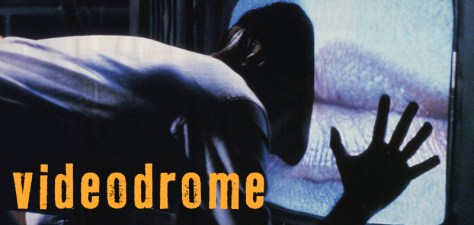
Composer Howard Shore and director David Cronenberg have had a long working relationship, with Shore composing music for all but one of Cronenberg’s films. And while almost all of his collaborations with Cronenberg have produced big, bright symphonic strings with perfectly placed shrieks and stabs, the score for Videodrome is singular and unlike any of his other compositions: it’s understated, throbbing, buzzing and humming with glitchy computerized vocals and stifled screams. Shore has the ability to morph his sound, to mold it to the images we see onscreen – an ability to compliment the visuals – and nowhere is that more apparent than here. James Woods, star of Videodrome, described Shore as “the Bernard Herrmann of the synthesizer”- that should tell you all you need to know. It’s creepy as hell. Lastly, I’d be surprised if it wasn’t inspired by the burgeoning industrial music scene – and if it didn’t inspire future industrial bands, as well.
candyman
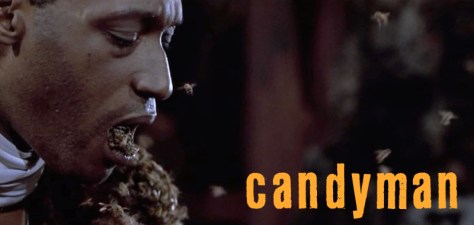
Philip Glass is great at composing music that is at once both sad and unsettling. Working mostly with piano and organ, he has the incredible ability of creating feelings of unease and foreboding, usually layering the repetitious sounds until a wall of insanity has been erected. His work also utilizes fast-paced calliope sounds (and in the case of Candyman, music box twinkles and choral voices) set to a bobbing rhythm, making you feel as though you’re on a carnival ride that’s spinning out of control.

I think the general consensus for Glass’s work on Candyman is that it’s a goddamn masterpiece, and I’m in full agreeance. But Phil was a little sore over his participation in the movie: when asked to score the film, he was under the impression it was going to be more arthouse than the standard slice-and-dice slasher flick it actually turned out to be. He was so put off by the film upon its release that he witheld his consent for the release of the recordings until 2001. But he wasn’t so discouraged as to not score any other horror films: in 1999 he rescored the entire original 1931 Dracula to great effect.
creep
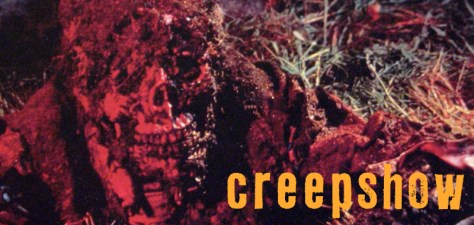
Last but not least, John Harrison’s entire Creepshow score! The music Harrison created for the film manages to be simultaneously scary and playful – much like the horror comics the movie was paying homage to. Harrison also created the music for George A. Romero’s Day of the Dead, and he knocked that score outta the park, too! With Creepshow, he mixes urgent piano, swelling and ominous synths, choir vocals, schoolyard taunts, hallucinatory voices, and other random bits like evil laughter and thunder to create the most wonderful mix-bag of a score. It fits the movie so well that you really need to listen to it sans visuals to appreciate all of the nuances it has to offer. Composers of indie horror flicks nowadays may try to recapture the magic that these types of scores created back in their heyday, but it’s a Herculean task that, in my opinion, has not been matched since. Musta been something in the water back then. Who knows.

Before I end my tempo tirade (my musical mania, my soundtrack shill, etc.), I wanted to include two minor bits of music from other flicks that I enjoyed. Specific songs versus whole scores. First up, this track from the 2006 remake of The Hills Have Eyes. Perhaps out of context it won’t do much for you, but I assure you it’s perfectly placed within the film. There’s a reason it sounds like an alarm: it signals the end of any normalcy for the characters in the film.

Quick side rant: The use of a pop song (or non-threatening tune) used to create unease in either a horror trailer or horror film. In Hills case, they used “California Dreamin’” by The Mamas & The Papas in the trailer, and Webb Pierce’s yodeling country ditty “More and More” in the film. I can’t say for certain that The Hills Have Eyes (2006) was the first horror film to use an anachronistic song to create an unsettling vibe, but I can’t think of any others off the top of my head prior to Hills that used this technique. But plenty of other horror films would use (see: abuse) this trope: The Strangers (Joanna Newsom), You’re Next (Dwight Twilley), Texas Chainsaw 3D (Mark Lanegan’s cover of the Nick Lowe tune), Insidious (Tiny Tim). Hills was even ripped off by its own sequel — Devendra Banhart’s “Insect Eyes” was used in the trailer. Alright, end rant.

The final tune I wanted to include was “Hurdy Gurdy Man” by Donovan, on the soundtrack from David Fincher’s Zodiac. Apropos that it’s the last song I included, as it’s the last song in the film. As the film comes to a close, leaving more questions than answers, and those tremolo-laden vocals fade in…you’re assured a serious case of the goosebumps, trust me.

Well, that’s all my ramblin’ for now. Hopefully this article introduced you to some killer stuff you hadn’t heard before, or inspired you to do further research on the artists and composers I talked about!

Who’s Walter Paisley?

titleIn 1959, up-and-coming actor Dick Miller starred in the film A Bucket of Blood, an hour-long black and white horror flick set during the beatnik heyday, directed by prolific filmmaker Roger Corman (at that point, Corman had already directed over 20 films in the three short years he’d been making movies); it would prove to be a serendipitous meeting, one that would spawn a character that Miller would end up playing several times over the next 35 years.

blood

In A Bucket of Blood, Miller played ‘Walter Paisley’, a struggling artist who tries desperately to make his mark in the bourgeoning Bohemian art scene. It’s only after ol’ Walt starts killing people and pets alike – and covering them in clay – that he finally gets noticed and starts receiving the attention and accolades he’d wanted for so long. But that was only the beginning for that character. Here’s what Dick Miller recalled about playing Walter Paisley after A Bucket of Blood in a 2012 interview:

“When it first happened, or when it second happened, I didn’t think much of it. [Director Joe Dante] says, “You’re Walter Paisley!” I say, “Again?” He says, “It’s just a name, it’s not the character.” I said, “All right, fine.” I didn’t think about it. And then the third time it came up, he said, “You’re Walter Paisley!” I said, “Oh yeah?” It started to build, it was an inside joke. And by the fourth time he says, “You’re Walter Paisley,” I’m saying, “What is this? Every time there’s no name for the character, I become Walter Paisley.” He says, “So what, it’s an inside joke.”

holly

And so it was. In 1976, Joe Dante – at the time, an unknown assistant to the aforementioned Corman – made his feature film directorial debut with the Corman-produced Hollywood Boulevard. Keeping the camaraderie going, Dante decides to name Miller’s character ‘Walter Paisley’, and with this nod to his boss, Dante would set in motion an in-joke that would pop up in another six films!

howl

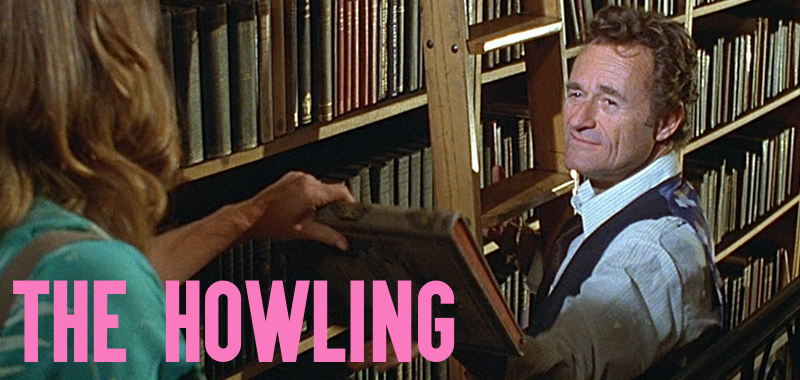
Dante would resurrect the Paisley character in 1981 with his awesome werewolf flick The Howling. In the film, Paisley is the owner of an occult bookshop. His role is a pivotal one: he not only provides the protagonist with all the necessary information on how to stop the werewolves…but also the silver bullets to actually get the job done. Miller claims this is one of his favorite roles. The movie also has cameos from Roger Corman, as well as sci-fi cornerstone Forrest J Ackerman (Miller would later play a character named ‘Mr. Ackerman’ in an episode of ER.)

zone

Once again, under the direction of Joe Dante, ‘Walter Paisley’ makes yet another onscreen appearance – this time in the 1983 classic Twilight Zone: The Movie. It’s a brief appearance, as the Paisley cameos sometimes are. This time, Walter is the proprietor of a little diner. He pops up in the third segment of the film which is entitled, It’s a Good Life. Blink and you could miss him.

mall

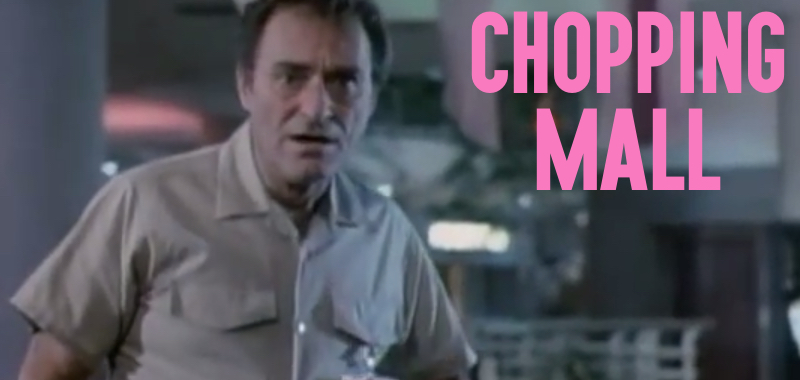
 1986 would prove to be the most active year yet for the character, seeing him show up in two films released just a few months apart. The first was the Corman-produced Chopping Mall from director Jim Wynorski. Walt, a mall janitor, is electrocuted to death by the security robots that are running amok through the shopping center. Paisley isn’t the only fictional character to be carried over from another film to this one. In an odd inclusion, Paul Bartel and Mary Woronov reprise their Eating Raoul characters, ‘Paul & Mary Bland’. The film also stars genre staples Barbara Crampton, Angus Scrimm, and Gerrit Graham.

(Fun Fact: Woronov, Bartel, Graham, Miller, as well as Roger Corman and Joe Dante, had all previously appeared together in the Bartel-directed Cannonball!)

creeps

 Just a couple months after his appearance in Chopping Mall, the Paisley character would pop up again, this time in the Fred Dekker-directed genre bending Night of the Creeps. Paisley is a cop in this film – a role Miller would end up playing in a majority of his movies. Night of the Creeps is intentionally a very referential film, including naming all of the characters after famous horror directors, having Greg Nicotero and Howard Berger play zombies, and even naming the college the kids go to “Corman University”. So it doesn’t seem as though Paisley is there within the Dante/Corman universe, but rather is being paid homage to by Dekker.

rebel

Finally we have Rebel Highway, a short-lived television program set during the 1950s that aired on Showtime back in the mid-90s. Each episode ran about an hour and half long, and they were each directed by a different genre director – Robert Rodriguez, John Milius, and William Friedkin – just to name a few. Walter Paisley popped up – playing a cop – in the sixth episode entitled, “Shake, Rattle and Rock!”, alongside the aforementioned Mary Woronov and Gerrit Graham. Curiously enough, Joe Dante would end up directing an episode of Rebel Highway, and would even include Dick Miller, yet the character was named “Roy Farrell”. Makes ya wonder.

So there you have it. Seven times Dick Miller has played “Walter Paisley”. A Bucket of Blood was remade in 1995, with Anthony Michael Hall taking over the lead role. But we all know there’s only one Walter Paisley: that guy Dick Miller.

Criterion Horror Films!

title

When I think of The Criterion Collection, I think of high art. I think of pristine celluloid and perfectly framed shots sandwiched between thick, black widescreen bars. I think historic, I think epic, I think intelligence. Nose-in-the-air type stuff.

What I don’t think of is ooze, satan-worshipping, hyper-violence or James Woods sticking his hand inside of his own stomach. But believe it or not, all of those things (and more) can be found under the Criterion umbrella! It’s like going over to the class valedictorian’s house and seeing that they have a Basket Case poster on their bedroom wall.

David Lynch, Brian De Palma, Guillermo del Toro, David Fincher, Danny Boyle, and Paul Verhoeven all have Criterion films to their name (and David Cronenberg has four, wow!)

Here’s a short list of some of my favorite Criterion horror flicks. The list is actually much, much longer – and you can find all the titles on the Criterion site as well as their Wikipedia page – but I thought this little list would be a good place to start.

dln

I often preach the greatness of this 1973 Nicolas Roeg shocker. Though not outright labeled as one, it feels like a giallo film – due mainly to the mysterious, raincoat-shrouded character Donald Sutherland hunts around the canals of Italy. Solid flick with plenty of twists and freaky revelations.

hausu

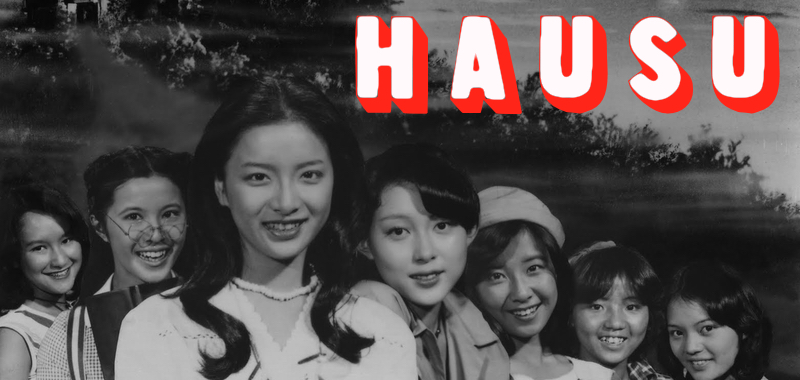
The first time I saw this film was in a theater packed full of horror fans, and I’m pretty sure I was half in the bag. The main thing I took away from the viewing was how funny the film was – not only by my own drunken interpretation, but also the uproarious laughter from the crowd. The bizarre imagery, the bits of dialogue lost in translation, the goofy score – what a funny, weird film! However, it wasn’t until last year, when I saw the Criterion analysis of the film, that I came to realize how truly horrifying it is. I suggest watching the film without any insight, and then rewatching it after viewing the analysis.

lamb

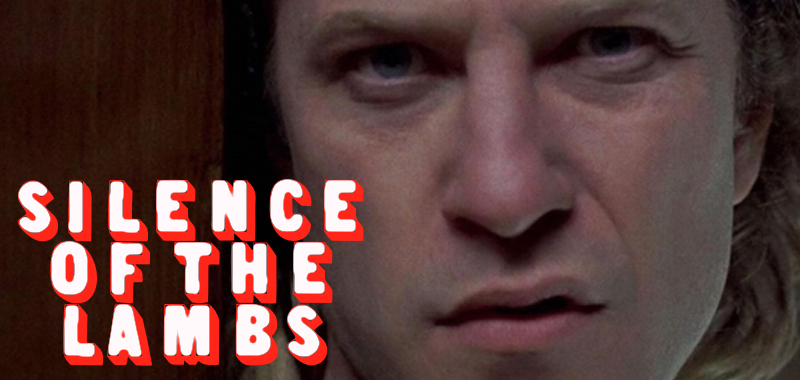
Pecker-tucking, cannibalism, airborne semen, the c-word, fat jokes, and Tom Petty’s “American Girl”. All in a Criterion movie! This is definitely one of the more understandable entries on this list – after all, Silence of the Lambs did win five Oscars the year it came out. But that just brings up another great milestone: a horror movie sweeping the Academy Awards!

video

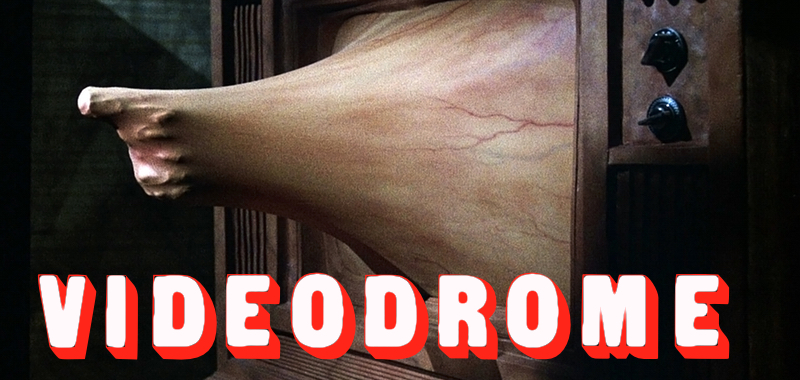
As mentioned above, Cronenberg has a staggering four films on the Criterion list. That’s more than Bernardo Bertolucci, Miloš Forman, or Stanley Kubrick! Cronenberg’s other films on the list include Dead Ringers, Naked Lunch, and the amazingly gory Scanners. It’s nice to see body horror, exploding heads, and utter mindfuckery get the kudos it deserves from such a distinguished company.

tom

This film was so controversial when it was released in 1960 that it effectively ruined director Michael Powell’s career. If that’s not enough to get you to watch this movie, I don’t know what to tell you. I love this flick! It is often compared to Psycho, despite beating that film to the theaters by two months. With wide vocal support from both Roger Ebert and Martin Scorsese, this movie is one of the great proto-slashers. At one point, zomfather George A. Romero was rumored to be remaking it, but so far nothing has come of that. Watch it!

hunter

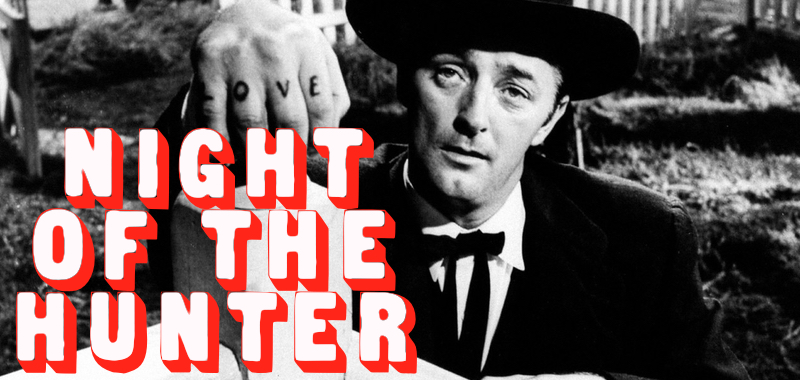
This is another film that I totally understand its place in the Criterion Collection. It’s beautifully shot in stark black and white, casting ominous shadows over dark secrets like a flawless film noir should. And Robert Mitchum is perfectly terrifying as the murderous con-man trying to swindle a pair of farm kids out of their dead dad’s hidden loot.

baby

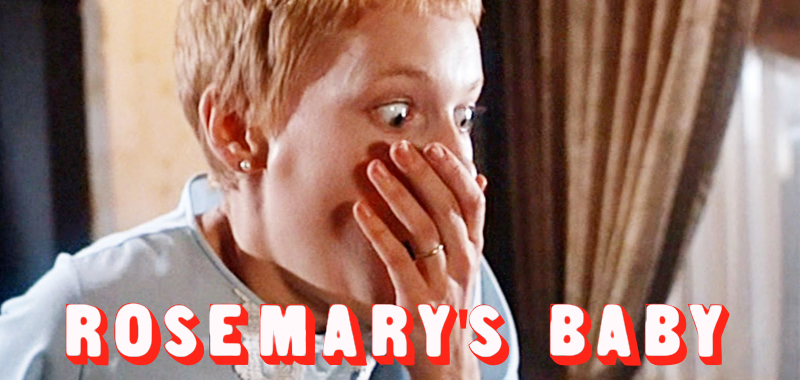
I can understand why waifish middle-class debutante Mia Farrow would be so appalled at discovering she had been incubating Satan in her womb for the past 9 months (spoiler!), but can you imagine if Rosemary had been played by one of those Old Milwaukee-fueled dudines from Heavy Metal Parking Lot? She’d be stoked! As previously mentioned, it’s nice to see devil-worshipping be presented in such a highfalutin way.

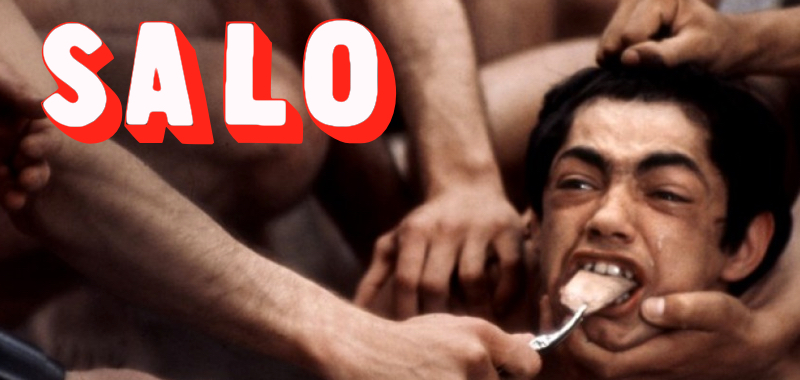
saloBased on the synonymous book by the Maquis de Sade, this movie features all sorts of stuff your grandma would probably frown at: sadism, graphic violence, sexual depravity, and forcing little kids to eat platefuls of boom-boom. So naturally it should wind up in the Criterion Collection, a list self-described as “important classic and contemporary films for film aficionados”. Just what I love: artful smut!

Sure, this list loses some of its oomph when you realize both Kevin Smith and Michael Bay both have films on the Criterion list. Kinda makes you wonder who was behind the wheel when those decisions were made. But look: any collection that features The Blob (1958), Invasion of the Body Snatchers (1956), and Fiend Without a Face, and is intended for only the most discerning of film snobs — that’s a pretty dang alright list in my book.

“Late Phases” (2014) REVIEW

late-phases-nick-damici-photo-by-ernesto-herrera

Werewolves have been a horror film staple since Lon Chaney (that’s the junior Chaney) donned the faux fur in The Wolf Man way back in 1941. Since then, movies have tried to present lycanthropes in a variety of differing ways, doing their best to expand upon the lore and offer a little variety to the standard “man bitten by wolf seeks out gypsy who explains the changes he’s been seeing in his body”. Whether it’s as simple as a high school geek who suddenly becomes popular due to his fur-suit (Teen Wolf) or high brow werewolf-as-metaphor (Mike Nichols’ Wolf), the genre has seen it all. Sometimes it’s fun, creative and pulled off successfully, as in the case of American Werewolf in London. And other times, well, it’s Howling IV.

Late Phases falls somewhere in the middle of those two, though it definitely teeters more towards the positive end of the spectrum. Granted, I’m not a werewolf or vampire fan (I can’t explain it, just never been a fan), but of the movies I’ve seen about people turning into wolves? This’n ain’t so bad.

The movie finds blinded ‘Nam vet (Nick Damici) and his dog (who provides more companionship than guidance) being dropped off in an old folks community, essentially deserted by his son. However, Damici is a grizzled, tough ol’ grump who would rather spit “good riddance” than give off any vibes of abandonment. 

The film jumps into action almost immediately, with Damici encountering the fanged antagonist within the first 10 minutes. It soon becomes apparent – from the clueless residents to the typical “let us handle it, sir” behavior from the local law enforcement – that Damici is on his own, and stopping the beast is entirely up to him.

The movie borrows heavily from Silver Bullet, the Stephen King novel-turned-film about a wheelchair-bound boy who thinks the preacher at his local church just might be a werewolf. Late Phases has its own preacher who just may be a werewolf, too. This movie, however, is sorely lacking the presence of a totally batshit Gary Busey. 

Of course, it wouldn’t be a werewolf movie without a transformation scene, and Late Phases has a beautifully executed one, with creature effects courtesy of Robert Kurtzman himself. The way it’s shot, it seems to be the centerpiece of the film – and I can understand why.

Lastly, it wouldn’t be a film review without just a little criticism. Nick Damici. Oh Nick, Nick, Nick. I’ve seen Mr. Damici in four films now (Mulberry Street, Stake Land, We Are What We Are, and Late Phases), and I can tell you this: no one is a bigger fan of Nick Damici’s acting than Nick Damici himself. He’s not bad by any means. In fact, he’s better than that one-note hack Leonardo DiCaprio (and look how famous that a-hole is.) I just feel like everything I’ve seen Damici do has ‘acting class’ stamped all over it. Perhaps it comes from his recent career of writing his own lines (as was the case with Mulberry Street, Stake Land, and We Are What We Are) that makes it seem like he thinks everything he’s saying is the coolest, most profound, most hilariously badass line ever said. And while he didn’t write his own dialogue for this movie, there are still some very hammy – borderline sleazy, even – undertones to his acting and line delivery.

And despite the passable age make-up he wears throughout the film, I just wish the 50 year old Damici had been dropped off in a retirement community that housed people his own age, instead of the 70 and 80 year olds that inhabit it. 

Overall, a fun entry in the full moon genre and worth a watch for sure.

Dr. Jose’s Top 10 on Halloween Love

your-choice-dr-jose-horror-top-tenHalloween Love was gracious enough to ask me for a Top 10 list of horror movies I love – but to provide ones I wouldn’t instantly spit out when asked for a list. Maybe the tertiary ones, the ones that are sitting under a thick layer of dust in my cobweb-filled cranium. The ones that still blow me away even if I don’t immediately think of them.

So go, read! And follow Halloween Love on Twitter and Facebook! Don’t be a dummy, all the cool kids are doing it!


Horrorstuffs & humor / don't tell yer granny